Principles of Scandinavian Architecture
- Natália Carolino

- Nov 27, 2018
- 2 min read
Formed by Norway, Sweden, and Denmark, the Scandinavian region in the 20th century has developed a design that values natural lighting within environments. Relying on the fact that this region has large periods of rigorous cold, resulting in shorter days and less natural light during the winter.
The Scandinavian style is composed of straight lines, neutral colors, simple shapes, and clear and wide spaces, which provides functionality and at the same time gives an air of sophistication to the designs. The Scandinavian architecture has five fundamental principles:
1. Light
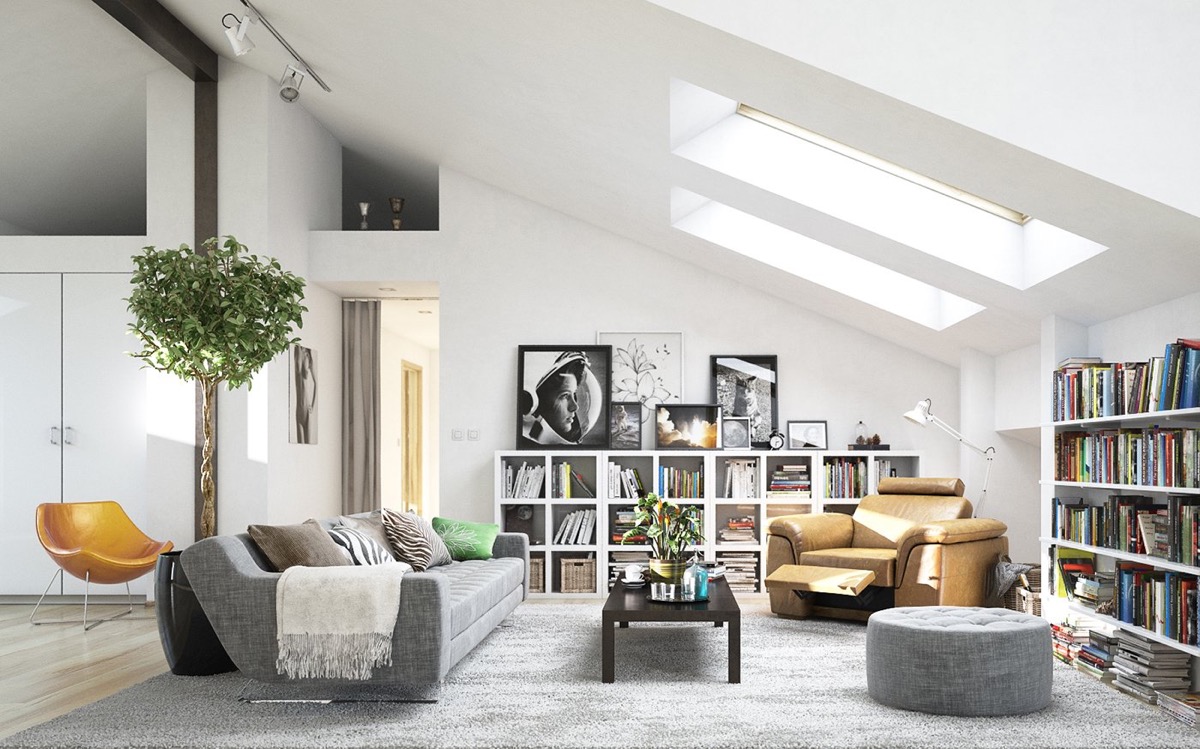
Natural light has great importance in the Scandinavian region due to the rigorous winter period, where the days have few hours of light. For this reason, the architectural projects in this region have elements that facilitate the entrance of natural light, such as roofs and glass walls and skylights. Architectural designs also have neutral colors, lighter shades reflect light better.

2. Comfort
With the long and cold winters, the Scandinavians end up spending more time indoors. The habitants of this region adopted the Hygge philosophy, a philosophy that focuses on comfort and highlights this as one of the most important aspects of Scandinavian architecture. The Hygge philosophy bets on comfortable spaces that can be heated with ease. Aspects such as shapes, colors, and textures can add comfort to an environment.
3. Energy Efficiency
As the Scandinavian countries have laws requiring that residences have alternative energy sources, all designers in the region opt for this type of energy in their projects.

4. Shapes
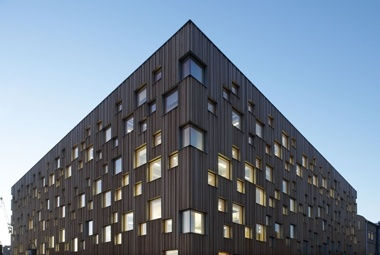
Scandinavian designs have elegant and simple shapes, without elements that take the functionality and maintain the beauty of the project.
5. Nature
Scandinavian designers also highly value the use of local products in their projects.

Photos shown were sourced from these the websites below:


Comments