3 amazing Scandinavian Museums
- Francini Monteiro Costa

- Nov 27, 2018
- 2 min read
Nordic Museum
Name of the place: Nordiska museet
Location: Stockholm, Sweden
Website: https://nordicmuseum.org/
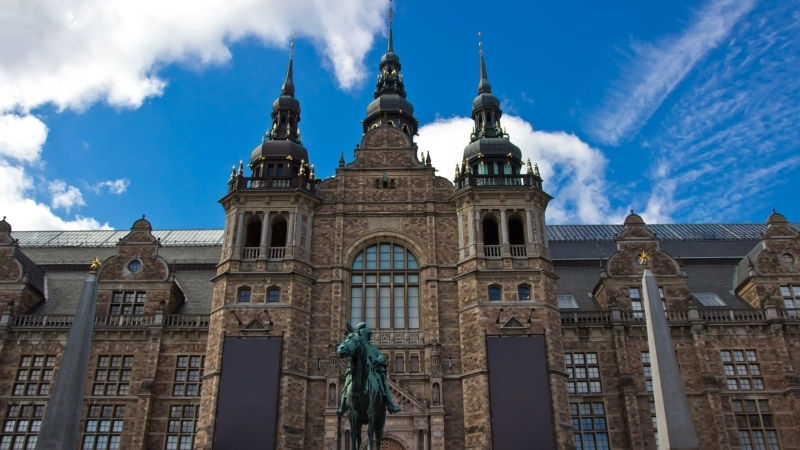
The construction of the building, developed by Isak Gustaf Clason, began in 1888, thought to be a large museum, which originally was to be four times larger. After 19 years of work, it was inaugurated in 1907. It is inspired by the architecture of the Danish Renaissance, of which the castle of Frederiksborg is the culminating work.
In the Nordic Museum it is possible to have a vast idea of what was and still is today the daily life of the Swedish people, dealing with themes such as crafts, cultural traditions, gastronomy, human habitat, toys, different social classes and the clothes (and their adaptation to the cold climate). Its collection dates from 1520 to the present day.
The founder of the Museum, Artur Hazelius, dreamed of presenting in this same environment all the Scandinavian culture, but in the end it was limited to Sweden.
Gothenburg Museum of Art
Name of the place: Göteborgs konstmuseum
Location: Gothenburg, Sweden
Website: http://goteborgskonstmuseum.se/english/

The main Nordic art museum exhibits true masterpieces by Munch, Carl Larsson, Bruno Liljefors, Anders Zorn and Kröyer. In addition to the illustrious masters, you can also discover the unknown Swedish talents.
With collections ranging from the 15th century to the present day, the Gothenburg Art Museum has more than 70,000 pieces and is the largest specialist in Nordic art of the 19th century.
With an imposing building, the museum was created for the Universal Exposition of 1923 that took place in Gothenburg, and also to commemorate the 300th anniversary of the founding of the city.
Munch Museum
Name of the place: Munchmuseet
Location: Oslo, Norway
Website: https://munchmuseet.no/en/
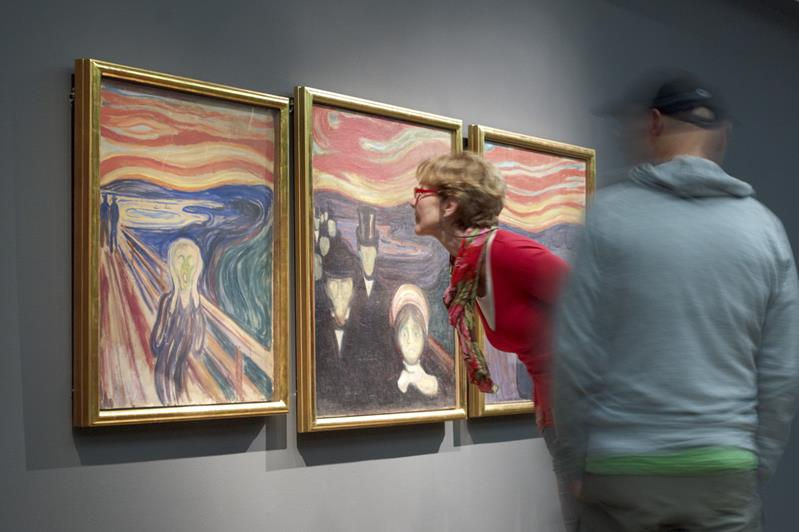
The museum opened its doors to the public in 1963, one hundred years after the birth of the world famous painter, in it are works of Edvard Munch, left in testament to the commune of Oslo in 1940.
The building was designed by the architects Gunnar Fougner and Einar Myklebust, being Einar was the architect responsible for the remodeling of the museum in 1994, fifty years after Munch's death. Initially, the museum was funded with profits made by the Oslo municipal cinemas, but currently received funding from the Japanese company Idemitsu Kosan co. Ltd. In 2005, the museum was partially rebuilt, to increase its security, following the robberies of "The Scream" and "Madonna" in 2004.
At present, the museum comprises a space for exhibitions, spaces for photography and conservation of paintings. And there is also an area reserved for concerts, theater performances and film projection.
The pieces that make up the museum came from the testament of Edvard Munch, who donated to the commune of Oslo about 1100 paintings, 15500 prints with 700 motifs, 4700 sketches and six sculptures. The donation also included 2240 books, notepads, documents, photographs, work tools and furniture. Later on, the painter's sister donated several works, some dating from 1880. This and other donations allowed more than half of Munch's works to be found today in this museum.
Sources:
https://nomundodapaula.com/2016/04/museu-de-arte-de-gotemburgo.html
https://pt.wikipedia.org/wiki/Munchmuseet
xx
Francini Monteiro


Comments